
Testosterone replacement therapy (TRT) can do a lot for men with clinically low testosterone: provide more energy, a better sex drive, more muscle, and a general sense of feeling like yourself again. But given that testosterone does play a role in how the prostate develops, some wonder whether testosterone therapy will make their prostate grow or make it harder to urinate.
It's a fair worry, as prostate enlargement gets more common with every decade. The short answer is that, for most men, TRT doesn't cause significant prostate growth or worsen urinary symptoms. The exception is men who already have a prostate condition or noticeable urinary trouble. They should get checked out before starting.
What Is BPH?
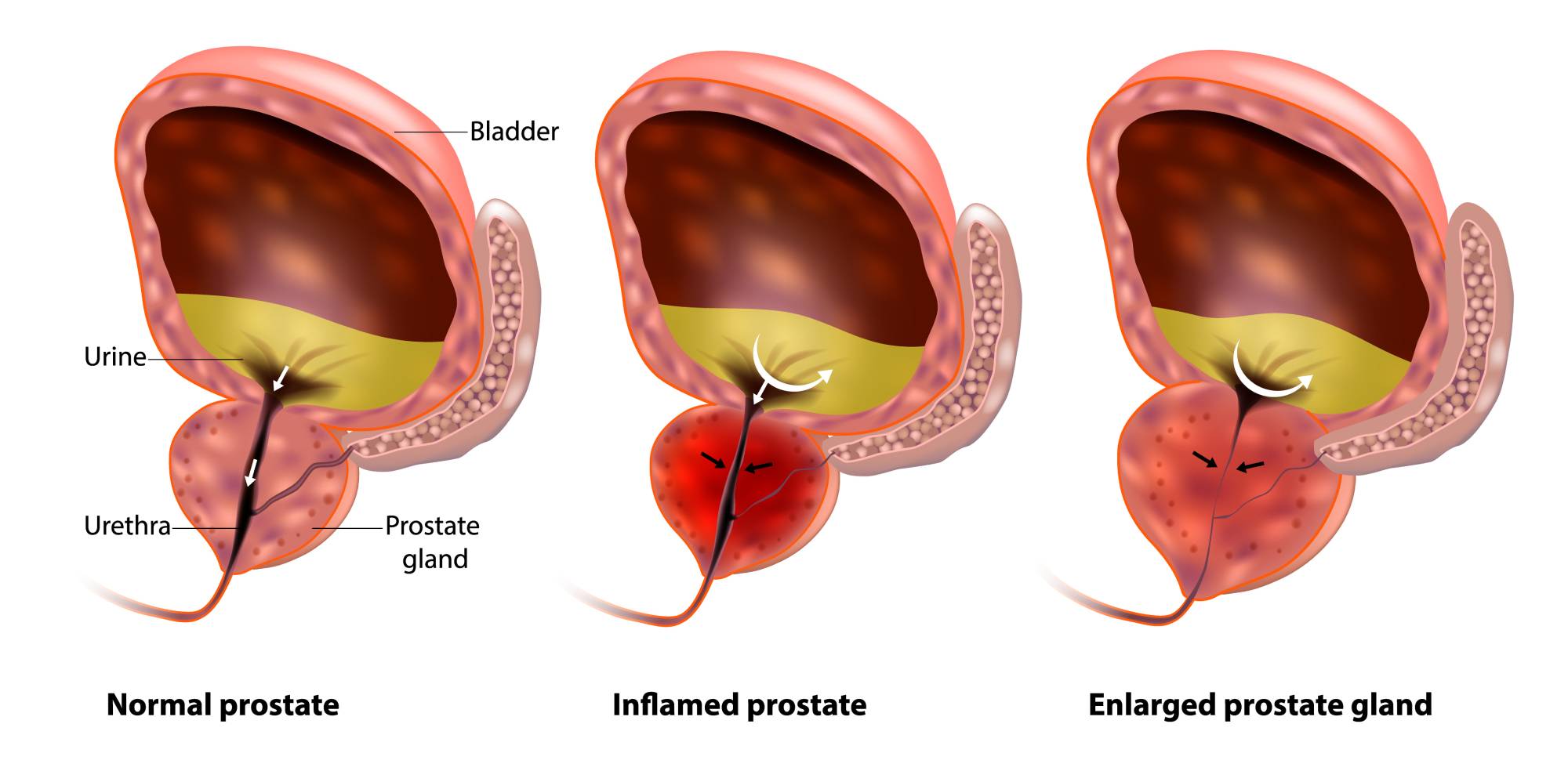
Benign prostatic hyperplasia (BPH) is a noncancerous enlargement of the prostate. It's one of the most common health issues in older men.
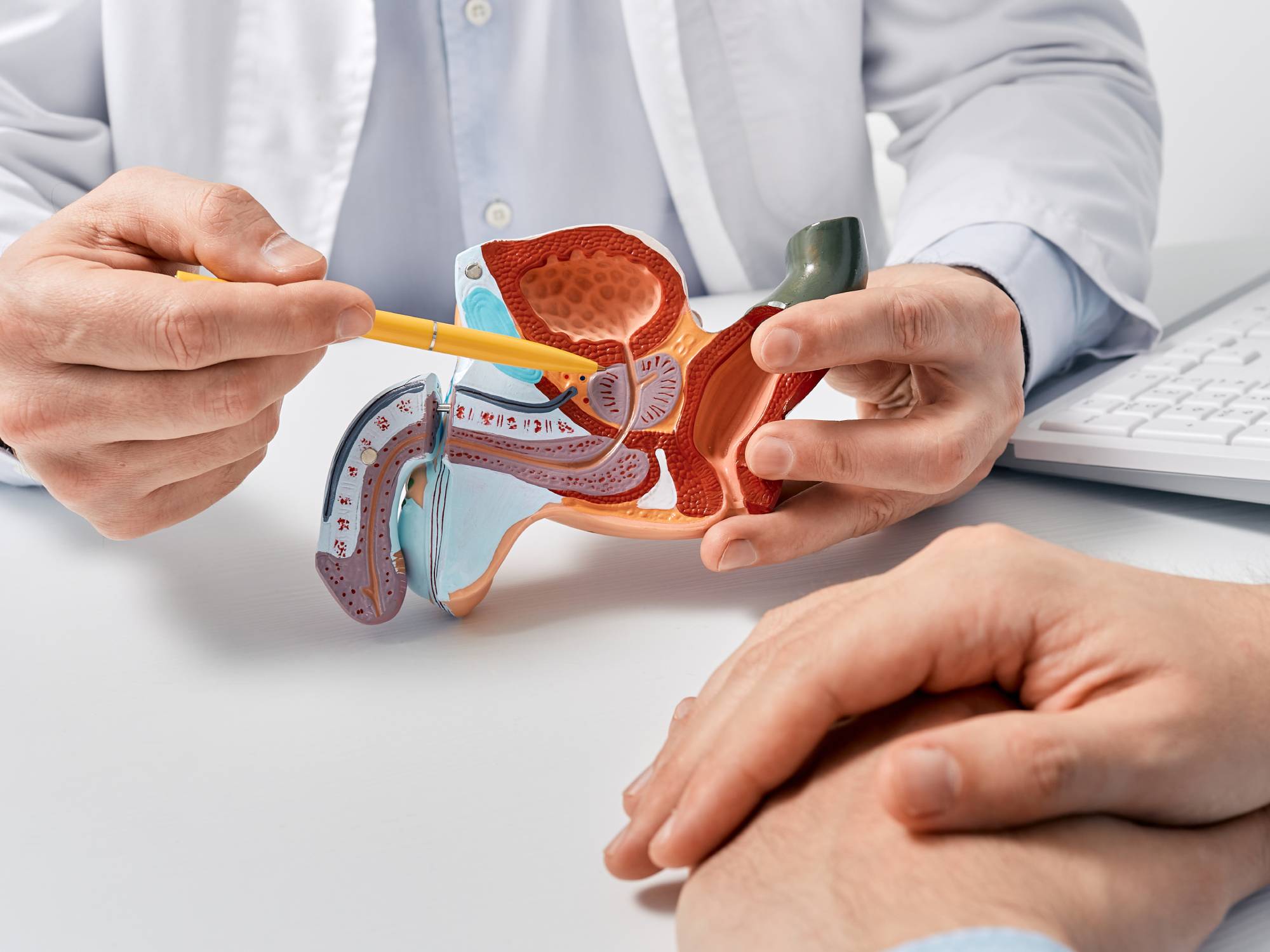
The prostate sits just below the bladder and wraps around the urethra, the tube that carries urine out of the body. When the gland grows, it squeezes that tube, and urine doesn't flow as easily. Men with BPH often notice:
- A slow start, or a weak or stop-and-go stream
- Frequent trips to the bathroom, especially at night
- A sudden, urgent need to go
- A feeling that the bladder never fully empties
- Dribbling afterward
Severity of symptoms varies a lot. Some men have a noticeably enlarged prostate and no symptoms at all, while others have real trouble with only modest growth. And while BPH isn't cancer, a man can have both at once.
Does Testosterone Cause the Prostate to Grow?
Part of your testosterone is converted into dihydrotestosterone (DHT), which strongly affects prostate tissue, and is one reason androgens are tied to benign enlargement. So it's logical to assume that adding testosterone would make the prostate grow.
The research doesn't bear that out, however. In men with low testosterone, bringing levels back to normal has generally had little effect on prostate size or urinary symptoms. The prostate seems to have a ceiling on how much androgen it responds to. Once a man has enough, extra testosterone within the normal range doesn't keep driving growth.
Can TRT Make Urination Harder?
For most men, no. Studies have generally found no meaningful worsening of urinary symptoms in men with mild-to-moderate problems at the start.
That said, everyone responds a little differently. Men who already have an enlarged prostate, significant urinary symptoms, or a history of urinary retention need a closer look first. The Endocrine Society recommends against starting testosterone in men with severe urinary symptoms until those symptoms have been evaluated. Waking once a night to pee is a very different situation from struggling to start a stream or empty your bladder.
Why Do Some Men Notice Urinary Problems on TRT?
If testosterone isn't the usual culprit, why do some men report trouble after they begin? A few things can be going on:
- Timing: Men tend to start TRT right around the age when BPH becomes common, so the two can overlap by coincidence.
- Undiagnosed conditions: A prostate or urinary issue may have been there all along without anyone checking.
- Non-prostate causes: The bladder, urethra, or nerves can all affect urination.
- Greater awareness: Once you're paying closer attention to your body, you may notice symptoms that were already there.
Whatever the cause, new or worsening urinary symptoms are worth looking into, not blaming on testosterone by default.
Do You Have to Avoid TRT if You Have an Enlarged Prostate?
Not necessarily. Mild or moderate BPH doesn't rule you out if you have confirmed low testosterone and are otherwise a good candidate. Severe symptoms are another matter, especially trouble starting urination, repeated retention, or incomplete emptying. Those need evaluation first, and sometimes treating the prostate problem comes first, after which TRT may be perfectly reasonable.

What Testing Comes Before Starting?
Depending on your age, history, and symptoms, a workup may include:
- A PSA blood test. PSA is a protein made by prostate tissue, and changes in it can signal a need for further evaluation. A high PSA doesn't automatically mean cancer, since BPH and inflammation can raise it too.
- A symptom review. Our care team will ask about frequency, nighttime urination, stream strength, difficulty starting, and emptying.
- A prostate exam, when it's appropriate, to check size and look for abnormalities.
- Further testing for men with significant symptoms, such as a urine test, a check of how well the bladder empties, or a referral to a urologist.
Monitoring continues once you're on treatment. The Endocrine Society recommends a urology evaluation if PSA rises by more than 1.4 ng/mL from baseline during the first year, or if it's confirmed above 4.0 ng/mL.
What if Symptoms Show Up After You Start?
Tell our care team. They'll look at your testosterone levels, PSA, medications, and other possible causes.
If BPH is the cause, there are good options. Alpha blockers relax the muscles around the prostate and bladder neck so urine flows more easily, and 5-alpha-reductase inhibitors can shrink the prostate in the right patients. Men with more significant enlargement may be candidates for minimally invasive procedures or surgery. A BPH diagnosis doesn't automatically mean stopping TRT either. That depends on how severe the symptoms are and how you respond to treatment.
One firm rule: if you can't urinate at all, get medical attention right away. Acute urinary retention needs prompt treatment.
The Bottom Line
Testosterone and the prostate are linked, but TRT doesn't automatically cause enlargement or urinary problems. In men who are truly deficient, restoring normal levels generally doesn't increase prostate size or worsen symptoms.
Still, if you already have BPH or notable urinary difficulty, get evaluated before you begin. A PSA test, a symptom review, and regular follow-up are all part of doing TRT responsibly. The goal isn't to steer clear of testosterone because of your prostate. It's to know where you stand, catch problems early, and make the decision with good information. With the right evaluation and ongoing supervision, many men with mild-to-moderate BPH can still benefit from treatment.
Dr. Jordan Glenn has reviewed this article.