
.jpg)
Testosterone optimization can be life-changing for men with clinically low testosterone levels. It can bring about improvements in energy, libido, muscle mass, mood, and overall quality of life. While free testosterone is the focus of testosterone optimization, another important measurement providers closely track during testosterone therapy is hematocrit.
What Is Hematocrit?
The term "hematocrit" comes from the ancient Greek words haema (blood) and krit (to judge). In short, it is the percentage of total blood volume made up of red blood cells. For example, a hematocrit of 45% means that approximately 45% of your total blood volume consists of red blood cells, while the rest is composed of plasma, platelets, and white blood cells.
Red blood cells perform the vital work of carrying oxygen from the lungs to tissues throughout the body. While hematocrit is one of the most commonly discussed laboratory values for men optimizing their testosterone, it is also one of the most misunderstood. The challenge lies in recognizing when an elevated hematocrit is simply a trend to monitor and when it becomes significant enough to alter clinical management.
Why Does Testosterone Increase Hematocrit?
Testosterone influences several pathways involved in red blood cell production, including the body's production of erythropoietin—a hormone produced primarily by the kidneys that signals bone marrow to manufacture red blood cells. With elevated erythropoietin, some men experience a more significant increase in red blood cell volume, leading to higher hemoglobin and hematocrit levels.
Response varies across individuals:
- Minimal Change: Some men experience almost no change in hematocrit after beginning a testosterone optimization plan.
- Gradual Rise: Others see a slow, steady increase over several months or years.
- Significant Elevation: A smaller group develops a rapid or substantial elevation that requires clinical intervention.
Several external and secondary factors can independently stimulate red blood cell production or artificial elevations:
- Sleep Apnea: Repeated oxygen drops during sleep stimulate excess red blood cell production.
- Smoking: Impaired oxygen delivery triggers compensatory red cell generation.
- Dehydration: Reduced plasma volume concentrates the blood, creating a falsely high reading.
- High Altitude: Lower ambient oxygen levels stimulate natural erythropoiesis.
- Cardiopulmonary Conditions: Chronic heart or lung diseases can lead to secondary polycythemia.
- Underlying Blood Disorders: Unrelated hematologic conditions may require independent evaluation.
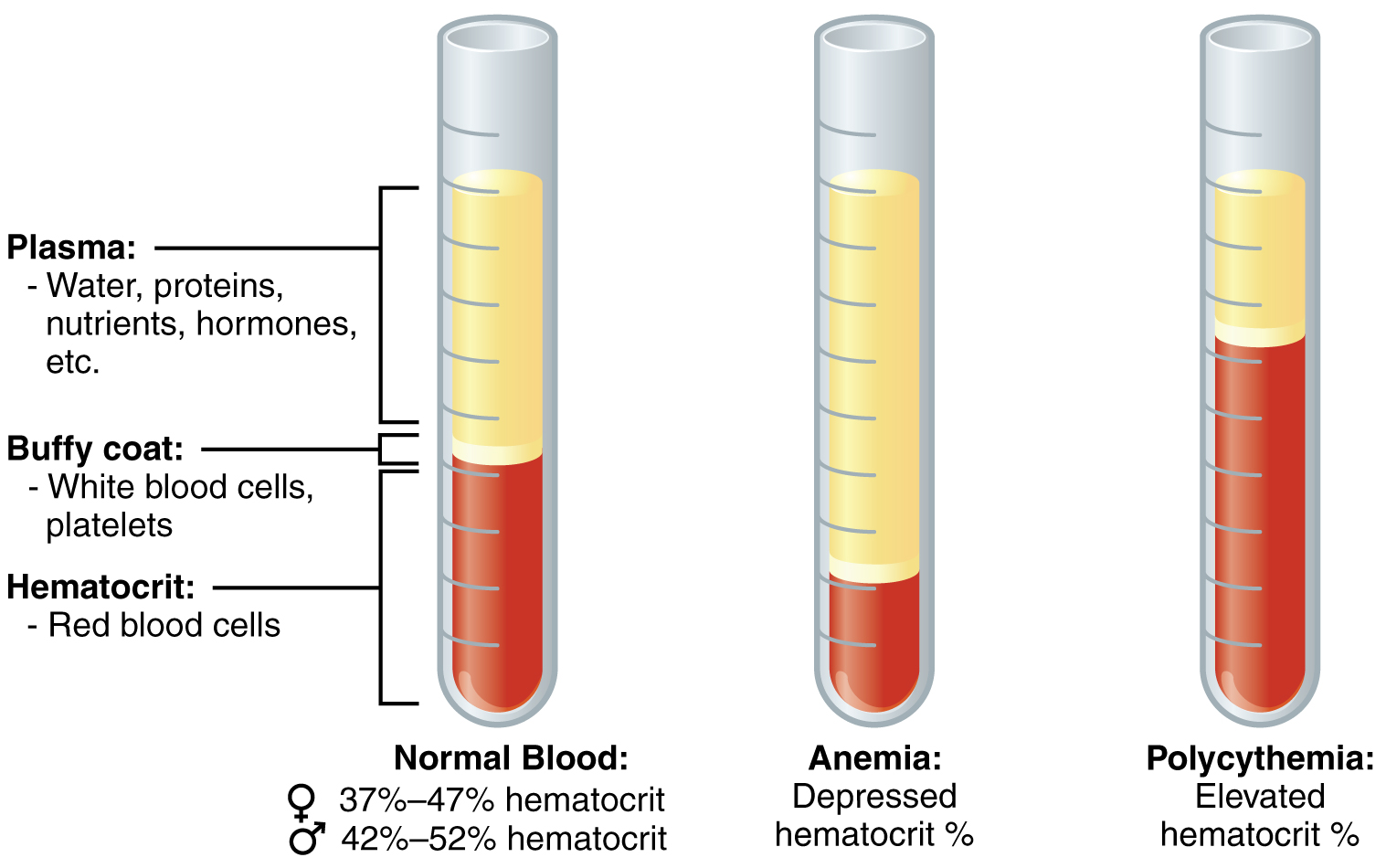
How High Is Too High for Hematocrit During TRT?
While no single number should be interpreted without considering the individual patient and overall clinical context, medical guidelines commonly highlight a hematocrit of approximately 54% as a threshold where testosterone therapy may need to be paused, adjusted, or evaluated.
A hematocrit slightly below 54% still warrants attention, as individual risk levels vary. Providers evaluate the overall trend, baseline values, rate of increase, testosterone dose, active symptoms, and potential secondary causes. Identifying concerning trajectories early allows for proactive, thoughtful adjustments.
When red blood cell concentration rises significantly, blood viscosity ("thickness") increases. Higher viscosity can impair microvascular circulation and potentially increase cardiovascular or thrombotic risk in susceptible patients.
Does the Type of Testosterone Matter?
Yes. Different testosterone formulations produce distinct pharmacokinetic patterns in the bloodstream. Formulations that create larger peak-to-trough fluctuations or unnaturally high peak hormone concentrations (such as infrequent, high-dose intramuscular injections) carry a higher likelihood of elevating hematocrit compared to methods that provide steady, physiological delivery (such as micro-dosing protocols or topical preparations).
How Often Should Hematocrit Be Checked?
Monitoring schedules are tailored to each patient based on baseline laboratory values, health history, delivery method, dose, and ongoing treatment response. A patient whose hematocrit remains stable year after year requires less frequent testing than a patient whose levels show a steady upward trend.
What Are the Symptoms of High Hematocrit?
Elevated hematocrit often develops without noticeable symptoms. However, when symptoms do occur, they may include:
- Nonspecific Symptoms: Headaches, fatigue, dizziness, brain fog, or visual disturbances.
- Microvascular Signs: Unexplained itching (pruritus)—especially after a warm shower—or noticeable redness/flushing in the face, hands, and palms.
- Red Flag Symptoms: Chest pain, shortness of breath, sudden weakness, or neurological changes require immediate emergency medical attention.
What Can Be Done if Hematocrit Rises During TRT?
If hematocrit rises significantly, the provider will review contributing variables, including dosing schedule, serum testosterone levels, hydration, sleep quality, and underlying sleep apnea. Management strategies typically include:
- Adjusting the testosterone dose or increasing injection frequency (micro-dosing).
- Switching to a formulation with a smoother pharmacokinetic profile.
- Treating underlying secondary drivers, such as initiating CPAP for sleep apnea.
- Temporarily holding therapy while evaluating root causes.
A Note on Therapeutic Phlebotomy and Blood Donation:
Donating blood is widely discussed among men on TRT because it temporarily lowers hematocrit and hemoglobin. However, routine blood donation should not serve as a primary long-term solution. Repeated phlebotomy without addressing the root cause can severely deplete iron stores (ferritin), leading to iron deficiency anemia despite a high hematocrit reading. Ferritin levels should be monitored closely if phlebotomy is utilized, and the primary focus should remain on optimizing the TRT protocol itself.
Should You Stop Testosterone if Your Hematocrit Is High?
Patients with elevated hematocrit should not abruptly stop therapy on their own. In most cases, the situation can be safely managed through dose adjustments, schedule refinements, or lifestyle interventions. Stopping treatment without clinical guidance is not recommended.
Why Proper Monitoring Matters
Testosterone optimization is frequently evaluated by how a man feels, but comprehensive care requires objective medical data. A patient may feel exceptional even as laboratory values shift in a direction that requires attention. Responsible optimization pairs clinical outcomes with routine laboratory monitoring to ensure long-term health and safety.
This article has been reviewd by Dr. Jordan Glenn.