
Can testosterone replacement therapy change your voice or body odor? Learn why some men notice changes in scent, why your voice is unlikely to change, and when these effects typically occur.
Will TRT Change My Voice or Body Odor?
One of the more surprising questions men ask before starting testosterone replacement therapy (TRT) has nothing to do with muscle, libido, or energy. Instead, they wonder whether they'll look, sound, or even smell different.
It's an understandable concern. Testosterone is the hormone responsible for many of the physical changes that occur during male puberty, including a deeper voice, increased body hair, and changes in body odor. If TRT restores testosterone levels later in life, does it trigger those same changes all over again?
The short answer is that for most adult men, TRT is unlikely to change your voice, but it can subtly change your body odor.
Understanding why this happens requires looking at how testosterone affects different tissues throughout the body.
Why Testosterone Causes Changes During Puberty
To understand what happens during TRT, it helps to remember what happened during adolescence.
During puberty, testosterone levels rise dramatically over a relatively short period of time. Those hormonal changes trigger permanent development in many tissues throughout the body. The voice deepens because testosterone causes the larynx, or voice box, to enlarge. The vocal cords become longer and thicker, producing the lower pitch associated with an adult male voice.
At the same time, sweat glands become more active, body hair increases, facial hair develops, muscle mass grows, and oil production in the skin increases. These changes occur because those tissues are developing for the first time.
TRT in adulthood is very different. Rather than initiating development, testosterone replacement restores hormone levels to the normal physiologic range in tissues that have already matured. That's why some changes are possible while others are not.
Will TRT Make My Voice Deeper?
For most men, the answer is no. Once the larynx has fully developed during puberty, it doesn't continue enlarging simply because testosterone levels increase.
In other words, TRT doesn't send your body back through puberty. If you've had low testosterone for several years, restoring your hormone levels is unlikely to produce a noticeably deeper speaking voice. Friends, family members, and coworkers generally won't notice a difference.
Despite this, some men report that they feel like their voice sounds stronger or more confident after starting TRT.
There are several possible reasons. First, improved energy often changes the way people speak. Someone who is less fatigued may naturally speak with greater volume, better projection, and more enthusiasm. Second, testosterone can improve mood and confidence in men with clinically low levels. Those psychological changes may influence speech patterns even though the vocal cords themselves remained the same.
Finally, some men simply become more aware of subtle changes after starting treatment and begin paying closer attention to aspects of themselves they previously ignored. These changes reflect how the voice is being used—not structural changes to the voice itself.
Can TRT Change Singing or Vocal Performance?

Professional singers, actors, broadcasters, and public speakers sometimes ask whether TRT could affect their vocal performance. For men receiving appropriately prescribed testosterone replacement, clinically significant changes are considered uncommon.
Maintaining testosterone within the normal physiologic range does not typically alter vocal anatomy in a way that changes pitch or vocal quality. If your career depends on your voice, it's still worth discussing your concerns with your physician before starting treatment, but most men can expect their natural voice to remain the same.
Will TRT Change My Body Odor?
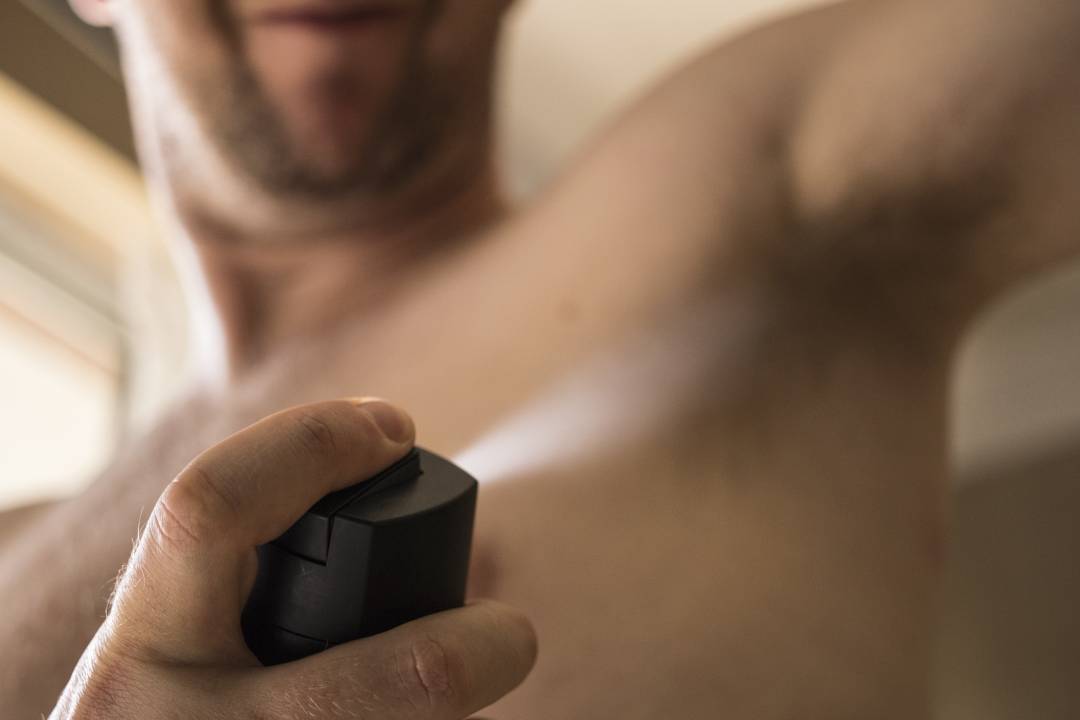
This question has a different answer. Many men do notice subtle changes in body odor after beginning testosterone therapy. In fact, it's one of the more common physical changes patients mention during the first few months of treatment.
Usually, the change isn't dramatic.It's simply different. Interestingly, sweat itself has very little odor. The smell we associate with body odor develops when bacteria living on the skin break down compounds released by sweat glands.
Testosterone influences several of the factors involved in that process. It increases the activity of sebaceous glands, which produce skin oils. It can also stimulate apocrine sweat glands—the glands concentrated in areas such as the underarms and groin that produce a thicker type of sweat rich in proteins and lipids.
Skin bacteria feed on those substances, and as they break them down, they create the characteristic scent we recognize as body odor. When testosterone levels rise from deficient to normal, some men notice that their natural scent becomes stronger or simply different than before.
When Does Body Odor Usually Change?
If body odor changes occur, they often appear relatively early in treatment. Many men who notice a difference do so within the first several weeks to two months after starting TRT.
This timing makes sense because changes in sweat gland activity and skin oil production can occur long before larger body composition changes become visible.
Not everyone experiences this effect. Others only recognize it because a spouse or partner mentions it first.
Does TRT Make You Sweat More?
Some men feel like they perspire more after beginning treatment. In many cases, this isn't because testosterone directly causes excessive sweating. Instead, several other factors may contribute. Improved energy often leads to increased physical activity, and higher-intensity workouts naturally produce more sweat.
Some men also experience temporary hormonal adjustments early in treatment that may influence how warm they feel. Once hormone levels stabilize, these sensations often become less noticeable. Persistent or excessive sweating should always be discussed with your physician, as it may have causes unrelated to testosterone.
Can You Reduce Changes in Body Odor?
If you notice stronger body odor after starting TRT, the solution is usually straightforward.
Regular showering, especially after exercise, helps remove sweat and bacteria before odor develops. Using an effective antiperspirant or deodorant, wearing breathable fabrics, and changing sweaty clothing promptly can also make a noticeable difference.
For men who exercise frequently, showering soon after workouts is often enough to prevent odor from becoming an issue.
Body odor changes are rarely a reason to stop treatment.
What About Skin Changes?
Testosterone can increase oil production, so some men also notice slightly oilier skin or mild acne, particularly during the first several months of treatment. This tends to be more common in younger men and in those who are particularly sensitive to hormonal changes. For most, these effects improve as hormone levels stabilize and can usually be managed with a consistent skincare routine if needed.
What TRT Doesn't Change
One of the biggest misconceptions about testosterone therapy is that it causes men to undergo a second puberty. That isn't how medically supervised TRT works.
Restoring testosterone to a normal physiologic range doesn't typically change facial structure, permanently deepen the voice, dramatically alter personality, or produce the rapid physical transformations associated with adolescence.
Instead, TRT helps restore hormone levels that have declined, allowing the body to function more like it did before testosterone deficiency developed. The changes are generally gradual, predictable, and much less dramatic than many people expect.
The Bottom Line
If you're considering testosterone replacement therapy, you can probably expect your voice to stay the same.
For adult men, TRT does not usually deepen the voice because the structures responsible for vocal pitch fully developed during puberty. Body odor, however, is a different story.
Some men notice that their natural scent becomes slightly stronger or changes during the first few weeks or months of treatment as testosterone influences sweat glands and skin oil production. These changes are typically mild, manageable, and not a cause for concern.
If you have questions about what to expect from TRT, discussing them with an experienced physician before beginning treatment can help you separate common, temporary changes from myths and misconceptions. Knowing what is, and isn't, likely to happen allows you to start therapy with realistic expectations and greater confidence.
Dr. Jordan Glenn has reviewed this post.
Ready to take the plunge and start TRT? Thunderbird Men's Health has it all:
- Virtual, discrete consults
- High-quality injectable testosterone cypionate
- Meds and supplies shipped to your door
- Competitive pricing
Get started today
Related:
- Top 7 Foods That Can Naturally Increase Testosterone in Men
- Can Testosterone Therapy Affect Penis Size?
- What Should All Men Know Before Starting Testosterone Therapy?