Tag: exercise

  • Bicep Curls vs. Hammer Curls: Which One Actually Builds Better Arms?

    Bicep Curls vs. Hammer Curls: Which One Actually Builds Better Arms?

    When it comes to building bigger, stronger arms, few exercises are as iconic (or debated) as the bicep curl. But not all curls are created equal. Two of the most common variations, the traditional bicep curl and the hammer curl, look similar at first glance yet target the arm in meaningfully different ways.

    Understanding the difference between these movements can help you build more balanced arms, improve strength, and even reduce injury risk. Let’s break down how each exercise works, the benefits of both, and which one deserves priority in your training program.

    Anatomy 101: What Muscles Are We Talking About?

    To understand these exercises, it helps to know the key players:

    • Biceps brachii: The primary “show muscle” on the front of the upper arm. It has two heads (long and short) and is most responsible for elbow flexion and forearm supination (turning the palm upward).
    Biceps Brachii
    • Brachialis: A powerful muscle that sits underneath the biceps. It contributes significantly to elbow flexion and adds thickness to the upper arm.
    Brachialis
    • Brachioradialis: A forearm muscle that assists with elbow flexion, especially when the grip is neutral.

    Different curl variations emphasize these muscles to different degrees.

    Traditional Bicep Curls: The Classic Mass Builder

    How they’re performed:
    In a standard bicep curl, the palms face forward (supinated grip) as you curl the weight upward.

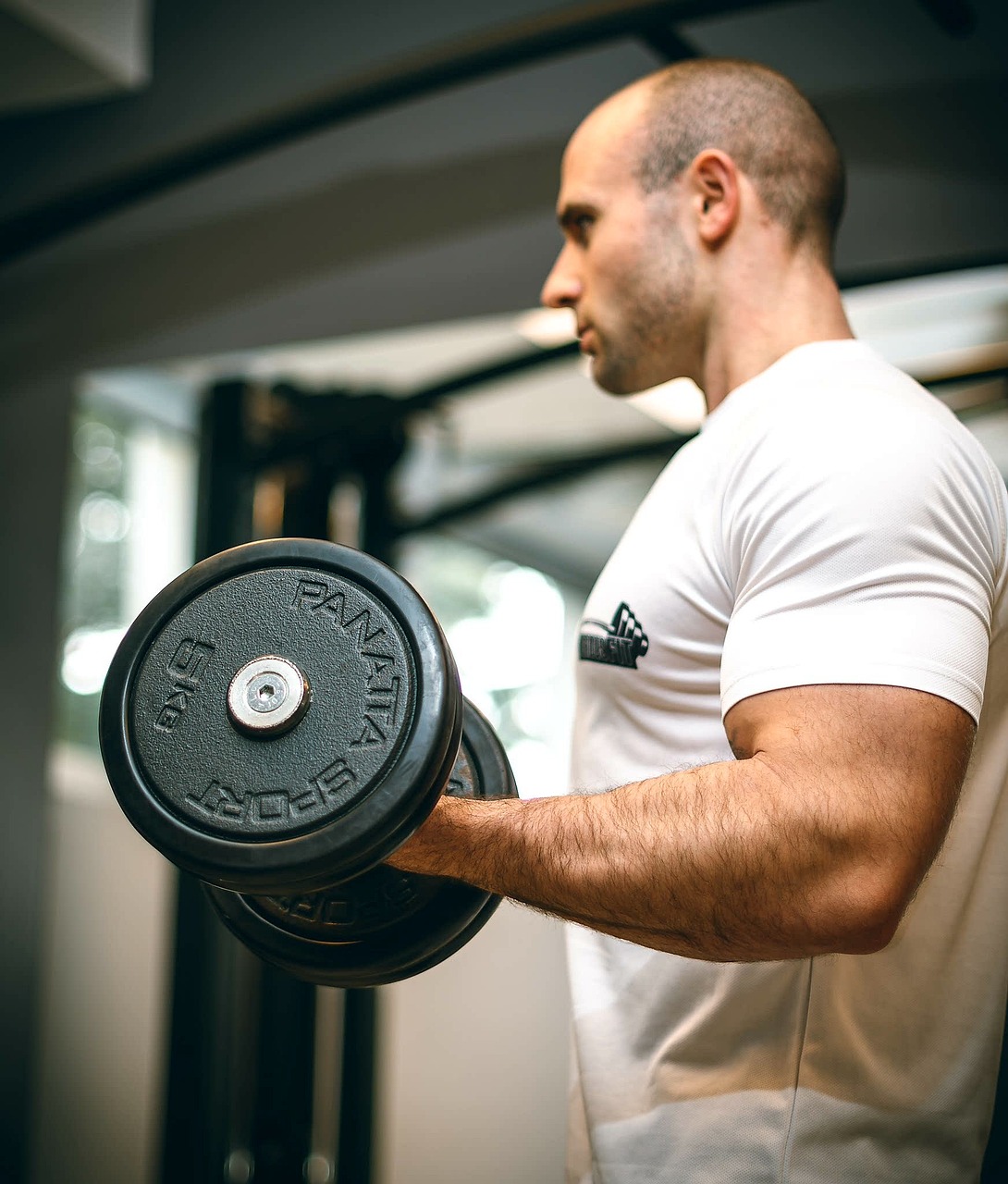
    Man doing bicep curls

    Primary muscle emphasis:

    • Biceps brachii (both heads)

    Benefits of bicep curls:

    1. Maximal biceps activation
      Research consistently shows that a supinated grip produces higher activation of the biceps brachii compared to neutral or pronated grips. This makes traditional curls excellent for pure biceps growth.
    2. Improved peak and definition
      Because the biceps are fully engaged through supination, bicep curls are particularly effective for enhancing the “peak” many lifters are chasing.
    3. Direct carryover to aesthetics
      If your goal is arm size and visual impact, bicep curls deliver a high return on investment.

    Limitations:

    • Places more stress on the elbow and wrist joints
    • Can be limiting for people with elbow tendonitis or forearm discomfort
    • Less involvement of supporting arm muscles

    Hammer Curls: Strength, Thickness, and Joint Friendliness

    How they’re performed:
    Hammer curls use a neutral grip, with palms facing each other throughout the movement.

    Primary muscle emphasis:

    • Brachialis
    • Brachioradialis
    • Secondary involvement of the biceps brachii

    Benefits of hammer curls:

    1. Greater overall arm thickness
      By strongly activating the brachialis, hammer curls add depth and width to the upper arm—often making the arms look bigger even without increased biceps peak.
    2. Stronger forearms and grip
      Hammer curls heavily recruit the brachioradialis, contributing to forearm development and improved grip strength.
    3. Joint-friendly mechanics
      The neutral wrist position reduces strain on the elbows and wrists, making hammer curls a smart choice for long-term training sustainability.
    4. Better functional strength carryover
      Many pulling movements (rows, chin-ups, carries) rely on a neutral grip, so hammer curls often translate well to real-world and compound strength.

    Limitations:

    • Slightly less direct biceps activation
    • Less emphasis on the classic biceps “peak”

    So… Which Is Better Overall?

    The honest, evidence-based answer is that neither exercise is better in isolation.

    • If your primary goal is biceps size and aesthetics:
      Traditional bicep curls should be a staple due to their superior biceps activation.
    • If your goal is arm strength, balance, and longevity:
      Hammer curls are invaluable for building the often-neglected brachialis and protecting the elbows.

    From a men’s health perspective—where strength, joint health, and appearance all matter—the best approach is using both.

    The Smart Programming Approach

    For optimal arm development:

    • Include both curl variations in your weekly routine
    • Perform bicep curls earlier in workouts when fatigue is low
    • Use hammer curls as accessory or finishing movements
    • Aim for moderate loads with strict form to protect the elbows

    A simple split might look like:

    • 2–3 sets of bicep curls (8–12 reps)
    • 2–3 sets of hammer curls (10–14 reps)

    Bicep curls build the peak. Hammer curls build the foundation. One targets the muscle you see first; the other strengthens what supports it.

    If you want arms that look strong, perform well, and stay healthy over time, the real “winner” isn’t choosing one over the other—it’s knowing when and why to use both.

    Working Out But Not Seeing Results?

    You might find that even though you’re working out at the gym, you’re not building as much muscle as before. You might even notice that you’re losing muscle. This might be a sign of low testosterone.

    Find out of testosterone replacement therapy is right for you. Click on the button below and schedule a free test at Thunderbird Men’s Health.

  • Top supplements and nutrients for sexual health

    Top supplements and nutrients for sexual health

    There are no vitamins that have been scientifically proven to support penis enlargement. While some supplements and vitamins claim to enhance sexual health and performance, none are backed by credible scientific evidence for increasing penis size. However, some top vitamins and nutrients can support overall sexual health, which might indirectly benefit performance and function.

    The Power Players: Essential Nutrients for Sexual Health

    1. Vitamin D: The Sunshine Vitamin
      • Why It Matters: Vitamin D plays a crucial role in maintaining healthy testosterone levels, which are essential for libido and sexual function. It also helps regulate mood, promoting a positive mental state conducive to sexual desire.
      • Where to Find It: Vitamin D is primarily synthesized in the skin through exposure to sunlight. It is also found in fatty fish like salmon and mackerel, as well as in fortified dairy products and cereals.
    2. Vitamin B3 (Niacin): The Circulation Superstar
      • Why It Matters: Niacin, or vitamin B3, improves blood flow by dilating blood vessels. This enhanced circulation is vital for achieving and maintaining erections.
      • Where to Find It: Niacin is abundant in foods such as poultry, fish (like tuna and salmon), beef, peanuts, and mushrooms.
    3. Vitamin E: The Antioxidant Ally
      • Why It Matters: Vitamin E is a powerful antioxidant that supports overall circulatory health. By protecting cells from oxidative stress, it helps maintain healthy blood flow to all parts of the body, including the genitals.
      • Where to Find It: Rich sources of vitamin E include nuts (such as almonds and hazelnuts), seeds (like sunflower seeds), green leafy vegetables (such as spinach and broccoli), and vegetable oils (like sunflower oil and wheat germ oil).
    4. Zinc: The Testosterone Booster
      • Why It Matters: Zinc is crucial for testosterone production and regulation. Adequate levels of zinc are essential for maintaining a healthy libido, sperm count, and overall sexual function.
      • Where to Find It: Oysters are the richest source of zinc, but it can also be found in other shellfish, red meat (such as beef and lamb), poultry (like chicken and turkey), beans, nuts, and whole grains.
    5. L-Arginine: The Nitric Oxide Enhancer
      • Why It Matters: L-arginine is an amino acid that the body converts into nitric oxide, a molecule that relaxes blood vessels and improves blood flow. This increased circulation is beneficial for erectile function.
      • Where to Find It: L-arginine is found in protein-rich foods such as meat (especially turkey and pork), dairy products (like yogurt and cheese), and nuts (such as peanuts and walnuts).
    Niacin is abundant in foods such as poultry, fish, beef, peanuts, and mushrooms.

    Herbal Helpers: Nature’s Boosters

    1. Ginseng: The Ancient Energizer
      • Why It Matters: Ginseng has been used for centuries in traditional medicine to enhance stamina, reduce stress, and improve sexual performance and libido.
      • Where to Find It: Ginseng is available in various forms, including teas, supplements, and extracts derived from the root of the plant.
    2. Maca: The Peruvian Passion Plant
      • Why It Matters: Maca root is renowned for its ability to increase energy, stamina, and sexual desire. It is often used to support overall sexual health and well-being.
      • Where to Find It: Maca is typically consumed in powdered form, which can be added to smoothies, taken in capsules, or used as a supplement.
    Ginseng has been used for centuries to improve sexual performance and libido.

    Maintaining Good Overall Health Is Key

    While no top supplements and nutrients for sexual health can replace a healthy lifestyle, incorporating these nutrients can support your sexual health and overall well-being. Remember, it’s always best to consult with a healthcare professional before starting any new supplement regimen.

    In the end, a balanced diet, regular exercise, and a positive outlook are the best ways to keep your love life vibrant and satisfying. So, here’s to health, happiness, and many happy nights!

    This article has been reviewed by Dr. Jordan Glenn DO FACS.

  • What causes erectile dysfunction?

    What causes erectile dysfunction?

    Erectile dysfunction (ED) can be a major source of frustration for sexually active couples. Also referred to as impotence, erectile dysfunction is the inability to achieve or maintain an erection or achieve one firm enough to make sexual intercourse satisfying, and it has the ability to take the spice out of an otherwise healthy relationship. It’s fairly common.

    According to one study, during some time in their lives, half of all men between the ages of 40 to 70 will be affected by ED. 

    Causes of erectile dysfunction

    Originally thought of as only a psychological problem caused by factors like depression, performance anxiety and other sexual disorders, it’s now known that, for most men, ED can be caused by diseases, disorders, and other factors, including: 

    • Diabetes mellitus
    • Cardiovascular Disease
    • Neurological diseases
    • Hypertension
    • Metabolic syndrome
    • Hormonal causes
    • Traumatic injuries (incl. spinal cord, pelvic fractures) 
    • Hyperlipidemia
    • Stroke
    • Sleep apnea
    • COPD
    • Glaucoma
    • Multiple sclerosis
    • Side-effect of priapism
    • Depression
    • A variety of medications, including antidepressants, antipsychotics, opioids, and recreational drugs.
    • Enlarged prostate with lower urinary symptoms, along with treatments to treat an enlarged prostate.

    As a result of not being able to perform sexually, ED can be distressing for couples. Fortunately, there have been transformative advancements in treatment.

    Medications to treat erectile dysfuntion

    Nitric oxide relaxes the muscles of the penis, leading to increased blood flow in response to sexual stimulation. The four medications below enhance the effects of nitric oxide:

    • Sildenafil (Viagra)
    • Tadalafil (Adcirca, Cialis)
    • Vardenafil (Levitra, Staxyn)
    • Avanafil (Stendra)

    couple in bed kissingPossible side effects include backaches, upset stomach, flushing, nasal congestion, headache, and changes in vision. ED medications don’t work for everyone. They may be less effective for those who’ve had prostate surgery or those with diabetes.  We should also mention that some of the medications might also be dangerous if you have extremely low blood pressure, have heart disease or heart failure or take nitrate drugs commonly prescribed for chest pain. Other medications for erectile dysfunction include:

    • Alprostadil. With one method, you inject alprostadil into the base or side of your penis. This can create an erection lasting no longer than an hour. Side effects can include mild bleeding from the injection, and prolonged erection, and in rare case, fibrous tissue at the injection site. A second alprostadil delivery method inserting the medication into the urethra using a special applicator. This method can cause an erection lasting between 30 minutes to an hour. Side effects can include a burning feeling in the penis, minor bleeding in the urethra and formation of fibrous tissue inside your penis.
    • Testosterone replacement. Some people whose erectile dysfunction might be complicated by low levels of the testosterone might be recommended for hormone replacement therapy, along with other treatments.
    • Neuromodulators: Applied via injection, neuromodulators can be an effective treatment of ED. Studies have shown that treatments with neuromodulators can improve erectile function, desire, and satisfaction.

    More treatments for erectile dysfunction

    • Vacuum pumps: These pumps draw blood into the cells of the penis, making it swell. A rubber ring is then slipped over the penis, preventing blood from leaving and preserving the penis’s rigidity. Although the pump can provide the right look temporarily, using them for too long can damage the elasticity of the tissue of the penis, leading to softer erections down the road. They also take practice to be used correctly.
    • Penile implants: There are two types of implants: One is a semi-rigid rod that is always firm and can be bent into the position of an erection for sexual activity. The other is a surgically implanted device under the skin of the penis that can be inflated before sexual intercourse and deflated thereafter.
    • Exercise: Regular exercise not only promotes physical health but also enhances stamina and endurance during sexual activity. Better overall fitness can improve blood flow to the entire body, enhancing firmness and duration of erections as well. 

    Topical creams and oral supplements, often containing vitamins, minerals, herbs, or hormones, are advertised with claims of curing ED. Yet, none of these items have been proven effective through scientific research, and certain ones may pose health risks. Supplements are not regulated by the FDA and there is no guarantee of exactly what you are actually ingesting with these products. 

    In conclusion, if you’re suffering from ED, realize that you’re not alone and there are plenty of treatments to choose from. Consult with your doctor about which treatment or treatments might be right for you.